In the fast-changing world of SEO, many tactics once considered standard now do more harm than good. If you’re still using outdated SEO methods, you risk losing visibility in the SERPs and falling behind competitors. This article will help you identify the tactics to abandon and show you what to replace them with for modern search success.
Whether you’re a seasoned SEO marketer or just getting into digital marketing, this guide will give you a clearer view of how SEO strategies have changed and the SEO types and practices you need to update.
Why Outdated SEO Still Lingers
Many site owners and marketers keep using outdated SEO simply because they saw results back then. Earlier search algorithms were less sophisticated and easier to game. But search engines have become much smarter. They now emphasise usefulness, context, intent, and user experience. When you use outdated SEO tactics, you aren’t adjusting your SEO strategies to match current times. That means those tactics may actually harm your site’s performance. Recognising when you’re using outdated SEO is the first step in building a modern, sustainable approach.
Keyword Stuffing and Over-Optimization
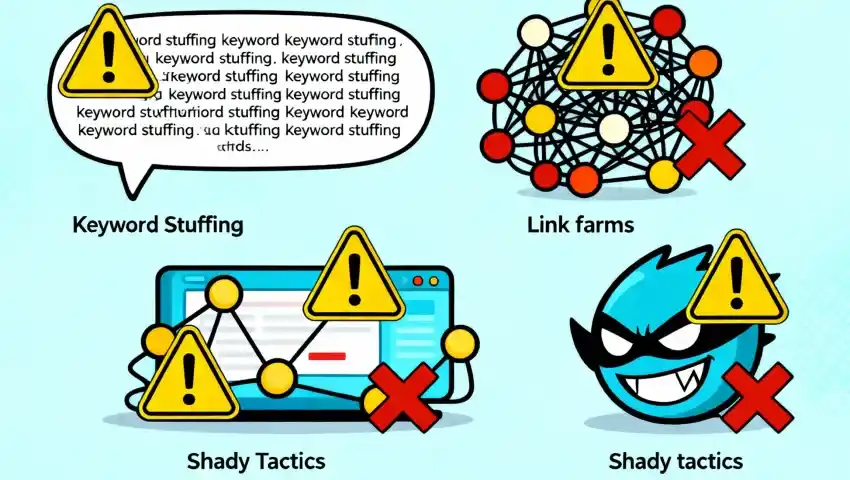
One of the most obvious outdated SEO practices is stuffing keywords into pages or metadata in unnatural ways. Long ago this helped pages rank. Today it signals manipulation. Search engines understand context, synonyms, user intent, and readability much better. Over-optimising title tags, headings, and meta descriptions with exact target phrases also falls into this category of outdated SEO. Instead of chasing a keyword density, shift your focus to covering a topic fully and naturally. Use keywords where they fit not where you think you must force them in. This change in approach reflects how SEO strategies have to evolve beyond simple phrase matching.
Writing for Search Engines Instead of People
Another legacy tactic is writing content mainly to please search engines rather than human readers. This means awkward sentences, strange synonyms just to hit algorithm triggers, or content that reads like it was written for robots. That’s outdated SEO. Google and other search engines now measure how long people stay, how they engage, and if the content solves their problem. If users click away fast, your site just told the algorithm it didn’t deliver value. The modern SEO types that succeed write for humans first. They care about making the content helpful, clear, and easy to read. Use your tone naturally, organise your text logically, and avoid sounding like you’re trying to trick a machine.
Cheap Link Building & Low-Quality Content Networks
In earlier SEO days, building lots of links from low-quality sources or running networks of spun-content sites was common. These methods aimed to manipulate ranking rather than serve users. Today, search engines are much better at detecting these practices. Links from irrelevant or shady sites can damage your credibility. Thick walls of duplicate or near-duplicate content just for search visibility are another outdated SEO tactic. These tactics are seen as signals of low value. The better approach is to earn links and mentions naturally from trusted, relevant sources and to produce content that brings real value. When you remove old networks of thin pages and focus on quality, you’ll align your strategy with modern SEO realities.
Exact-Match Domains, Mass Pages and Quantity over Quality
Some marketers still use exact-match domains (EMDs) or build hundreds of similar pages targeting slight keyword variations. These are legacy SEO types. They relied on ranking formulas rather than user intent. Today, search engines evaluate brand authority, content uniqueness and user satisfaction more heavily. Building dozens of near-duplicate pages may have worked in the past but now it risks being filtered or demoted. Focus instead on fewer, stronger pages that answer meaningful questions. Treat each page as part of your brand story, not just a ranking target. High quality matters much more than high quantity in today’s SEO strategies.
Ignoring Mobile, UX and Technical Foundations
When SEO was simpler, many people ignored site performance, mobile design or user experience. That’s outdated SEO thinking. Today, mobile-friendly design, fast page loads, secure connections (HTTPS), clean navigation and structured data are essential ranking factors. If your site is slow, hard to use, or not mobile optimised, you’ll lose traffic and search engines will likely ignore you. The technical foundations matter just as much as content. Integrate user experience into your SEO strategies to ensure your pages match both searcher needs and algorithm expectations.
Mis-Focused Metrics and Legacy Reporting
Legacy SEO often tracked rankings for keywords, raw backlink counts or volume of content as the main metrics. These alone aren’t helpful in today’s SERPs. Modern SEO strategies look at engagement signals: time on page, scroll depth, conversion behaviour, brand mention strength and how users interact after they land. If your reporting still focuses only on “top 10 ranking” or “number of links created,” you’re relying on outdated SEO metrics. Shift reporting to show how your site helps users, how it drives actions, and how it supports your overall brand and business goals.
What Modern SEO Strategies Should Do Instead
Let’s flip the script. If you’re done with outdated SEO, here’s what you should focus on:
- Be helpful and user-centric. Write content that solves real problems or teaches something new.
- Match user intent. Understand what people are really searching for, what format they expect, and deliver in that format.
- Build trust and authority. Cite sources, show experience, use credible data, and let your brand voice come through.
- Technical basics must be solid. Your site should be fast, mobile friendly, secure, and well-structured.
- Quality over quantity. A handful of well-crafted content pieces beat hundreds of thin pages.
- Earn links & mentions naturally. Focus on relevance and trust, not just raw link numbers.
- Use modern metrics. Look at how visitors behave, what they do after landing and how they engage with your site.
- Stay adaptable. Search engines continue to evolve, so your SEO strategies must evolve too.
Moving Away from Outdated SEO
Old tactics might feel familiar, but they risk your visibility and reputation now. Outdated SEO is no longer a shortcut. It’s a liability. The shift is clear: search engines and users demand content that is helpful, trustworthy and user-friendly. If you adopt modern SEO strategies, you’ll build a stronger digital presence, better engagement and more consistent visibility in the SERPs. Evolve your approach, drop the legacy tricks, and focus on value.