If your organic traffic or rankings suddenly dropped around mid-October 2025, you might be encountering the effects of what many in the SEO industry are calling the “October 2025 Core Update”. While Google LLC has not officially labelled it as a full core update, multiple tracking tools and SEO agencies observed substantial ranking volatility. One agency described it as “one of the most aggressive algorithm changes yet”.
1. What Happened & Why It Matters
A. Timing & Scope
Although Google has not formally announced “October 2025 Core Update”, various signals point to a significant algorithm shift in early to mid-October. One source notes the rollout began in mid-October and wrapped up near 27 October.
Another report states that this change followed earlier core and spam updates in 2025, making it perhaps the fourth major shift this year.
Because the update appears broad in nature, covering multiple industries and geographies, it’s treated as a core-type reshuffle of how Google evaluates quality and relevance.
B. Key Focus Areas
Although details are still emerging, several patterns stand out:
- A stronger push against AI-generated content, especially generic or little-edited text. Agencies noted that pages “written for Google’s crawlers instead of real humans” are facing deeper scrutiny.
- Reinforcement of “human-first value” signals — i.e., content authored or reviewed by human experts, with clear context, citations, and real-world insight. One local UK agency stated: “The October 2025 Core Update reminded everyone that Google still rewards real human value over machine-spun repetition.“
- Emphasis on user experience, mobile performance (e.g., Core Web Vitals), accessibility, structured data and visual/media optimisation.
- More precise matching of query intent (including conversational queries, visual/audio signals) and reduction of low-value duplicate pages or thin content.
C. Why It Matters for You
If you publish content aiming to rank rather than to serve genuine user needs, you could be vulnerable. Google’s evolving algorithms now evaluate not just keywords and links—but deeper signals of expertise, authenticity, trustworthiness, and user-experience.
In practical terms:
- Sites relying heavily on templated pages, mass-produced content, or AI drafts without proper human review could see traffic drops.
- YMYL (Your Money or Your Life) domains (finance, health, legal) remain especially sensitive to demonstration of expertise and trust signals — outdated content or anonymous authorship can hurt rankings. One source cited that YMYL pages with missing bylines or outdated information were hit particularly hard.
- Because ranking volatility is high, recovery (or prevention) requires a proactive strategy—not just waiting for things to go back to “normal”.
2. Common Pitfalls Post-Update
Here are some of the more frequent issues identified post-fall 2025 algorithm changes. They serve as early warning signs.
A. Thin or Outdated Pages
Pages under ~300 words, with little depth, or that haven’t been updated for years are particularly vulnerable. One agency reported that such pages “declined 30% faster than longer, maintained ones.”
If you have many blog posts that were once ranking but now barely get impressions, this may be a factor.
B. Lack of Source Citations / Expertise Signals
For content covering YMYL topics (or any topic where expertise matters), the absence of author bios, credible citations, or recent updates is a risk. The Manchester-based SEO agency pointed to legal and healthcare practices losing visibility when author info or currency was missing.
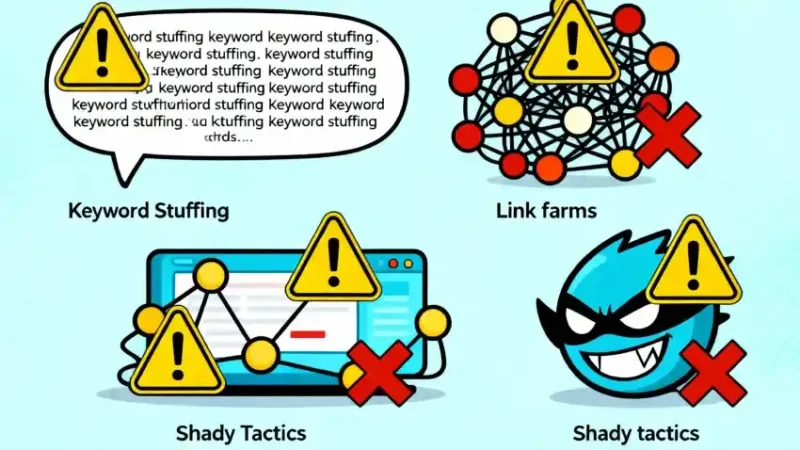
C. Keyword-Stuffing / Over-Optimisation
The new update appears to penalise content that prioritises search engines over users. For example:
“If your content was written for Google’s crawlers instead of real humans, you’re going to feel it.”
Excessive repetition of target phrases, over-engineered anchor text, or unnatural linking patterns are red flags.
D. Duplicate, Low-Value or Automated Pages
Sites with many near-duplicate pages, thin variants of the same content or mass-generated versions could be flagged. One report states:
“Recent Google algorithm updates are much stricter about low-value and copied content… duplicate pages bring headaches that last longer.”
Even if the duplicates differ slightly, the purpose still matters.
E. Poor User Experience & Technical Issues
Technical factors matter more than ever. Slow mobile loading, intrusive pop-ups, layout shifts or poor accessibility can all contribute to reduced ranking signals.
3. Who’s Been Impacted
While Google doesn’t publish specific “hit lists”, the following trends have emerged based on monitoring and agency reports.
- E-commerce & local businesses: Especially sites with large product catalogs, many location pages, or directories with minimal unique content. In the UK, local retail and legal/financial firms saw 25-40% drops in traffic under the update.
- Affiliate / thin-content publishers: Sites relying on generic “review” pages, or repurposed content with minimal human insight. These have been flagged in the “Optimize for helpful content” bucket.
- Sites with lots of AI-generated content without oversight: The shift toward detection of pattern phrases, mass-posting and automation triggered by the update has impacted these sites.
- YMYL domains with weak author/trust signals: Legal, financial, health websites not showing updated content, lacking clear expertise, or missing author credentials. These appear to have been hit harder in regions like the UK.
4. Recovery & Future-Proofing Strategies
Here are concrete steps you can take if you believe you’ve been impacted — and best practices to prevent future hits.
A. Audit What Dropped
- Use Google Search Console and analytics to compare impressions, clicks, pages between August and October 2025 (or whatever your pre-drop period is).
- Identify which pages lost visibility look at word-count, last update date, author attribution, backlinks, internal linking. One local agency emphasises using this audit approach.
- Check for pages marked “Crawled currently not indexed” in Search Console.
B. Prioritise Human-First Content Updates
- Rewrite important pages, adding unique author insight, case studies, local relevance (where applicable) and new data.
- Add bylines, team bios, published/updated dates. Human visibility matters.
- Remove or consolidate thin or redundant pages, especially duplicates or AI-drafts without review.
C. Strengthen Site Structure & Signals
- Improve internal linking: connect topic clusters, reduce orphan pages, update anchor texts.
- Implement or audit your structured data (FAQ, Article, Organization, Product schema) so search engines have more signalling.
- Mobile-optimize page loads, reduce layout shifts, compress images, remove heavy scripts.
D. Fix Technical & UX Issues
- Improve Core Web Vitals (LCP, CLS, FID) — sources show sites with better UX are less likely to be penalised.
- Update NAP (Name, Address, Phone) consistency for local businesses; manage citations and reviews (especially important for map/local ranking).
- Ensure content is accessible: alt-text on images/videos, transcripts for audio, captions for video.
E. Build a Long-Term Safety Net
- Refresh cornerstone content every quarter (pricing pages, FAQs, service descriptions).
- Mix automation (like AI drafting) with full human editorial oversight — not just “publish and forget”. One agency summarised: “automation is fine if a human reviews and validates information”.
- Monitor metrics like impressions, dwell-time, bounce-rate — don’t only focus on rankings.
- Diversify traffic sources beyond Google (social, email, direct) so you’re less exposed to future algorithm shifts.
Final Thoughts – October Core Update
The so-called October 2025 update serves as a strong reminder: in the evolving search landscape, human value still wins. Google’s algorithm is increasingly driven by AI-mode evaluation, but that doesn’t mean machines replacing humans and rather, machines modelling what humans value.
In short: if your content is centred on real people, real expertise, relevance and real experience, you’ll be in a much better position.
If you found your site caught in this wave, don’t panic. Use this moment to audit, update, refine, and reinforce your authority. Trust-signals, strong UX, content depth and clear authorship are now more important than ever.